
A senior move is easier when the new rooms are planned before items are packed. In Sacramento, Roseville, or Folsom, the family also needs to understand access at both properties and who will make decisions on moving day. This room-first approach keeps the older adult involved while giving the movers clear placement instructions.
Start at the destination
Measure the new rooms before deciding what leaves the current home. Mark the spaces for a bed, favorite chair, dining table, and any mobility equipment. A simple drawing can show where each large piece belongs. This makes downsizing a fit decision instead of a rushed choice at the truck.
Use furniture sizes in the room sketch
Measure the new bedroom and living area, then place the bed, favorite chair, table, and mobility equipment on a simple drawing. This makes the first decisions about fit rather than urgency. Ask the older adult which familiar pieces matter most before deciding what should leave the current home.
Before sorting, ask the older adult which pieces make the new place feel familiar and which daily activities need clear space. Measure the destination rooms and sketch the bed, chair, table, and any mobility equipment at their actual sizes. Leave a clear route between frequently used areas. If a piece will not fit comfortably, discuss the choice early rather than deciding at the truck. The plan should support the resident's preferences, not only the family's wish to empty the old home quickly. Keep a copy available for the receiving person.
Use four decision groups
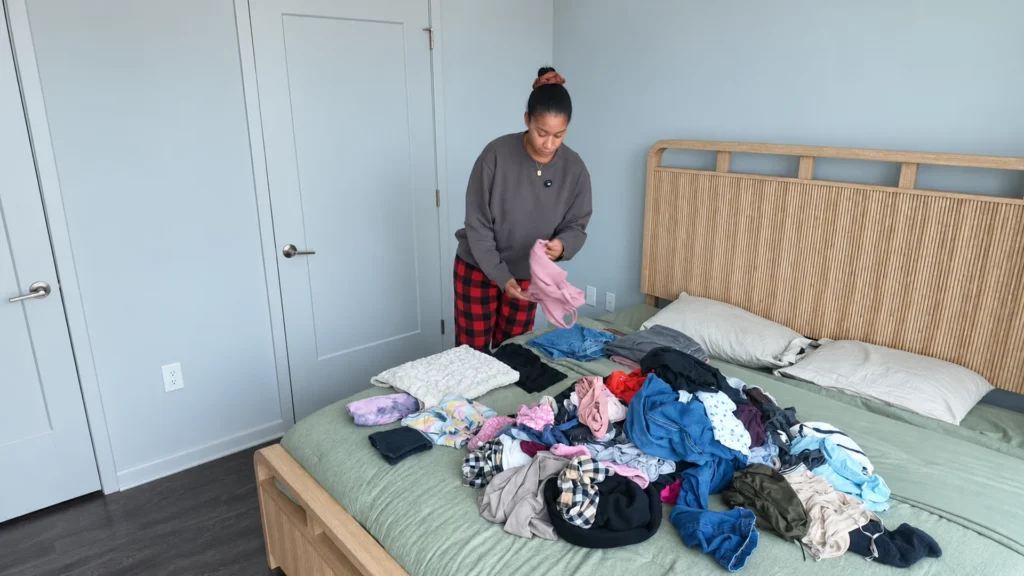
For each room, identify belongings to move, give to family, offer elsewhere, or decide later. Keep the final group small and visible so it is not accidentally packed. The older adult should remain involved in decisions about keepsakes and familiar furniture whenever possible.
Keep the undecided group visible
Use clear labels for items to move, give to family, offer elsewhere, or review later. Keep the review group small and separate from packed cartons. Important keepsakes should be discussed with the older adult whenever possible; a rushed unlabeled box can make the transition harder.
The four decision groups work best when every item has a visible label and the review group is kept separate from packed cartons. Let the older adult take part in keepsake decisions as much as possible. Family members can help photograph or list items whose destination is still uncertain, then return to those decisions at an agreed time. Do not silently place a keepsake in a donation pile because it appears unused. A room-by-room approach also shows what will travel, which helps the moving request stay accurate as downsizing progresses.
Choose one contact for move-day questions
Family members can help with sorting and labeling, but a single authorized contact should confirm scope, access, and placement with the moving team. Share the destination room plan with that person. A second contact can be listed for emergencies without creating conflicting instructions.
Choose one authorized move contact
A family can share sorting work while one person handles scope, access, and placement questions with the moving team. Write that person’s name and reachable number on the room plan. A second contact may help if the first is unavailable, but conflicting directions should be settled before the truck arrives.
Choose one person who can confirm scope, access, and furniture placement with Moving for Seniors Sacramento. Write down what that person may decide independently and what should be discussed with the older adult or family first. Other relatives can still pack and label rooms, but they should send changes through the same contact. Give the moving team a backup number for a genuine delay. This reduces the chance that different helpers give contradictory instructions while a large piece is already being carried into the new home.
Separate what is needed immediately
Medication, documents, phone chargers, keys, and first-night supplies should travel with the household. Label cartons by destination room and make a short list of the boxes to open first. If the new residence has an elevator or community move window, confirm it before choosing the arrival sequence.
Pack a first-day bag separately
Medication, important papers, glasses, chargers, keys, and comfort items should travel with the household. Mark the boxes needed first and label every carton by its new room. If a residence has a community check-in or elevator window, plan the arrival order around it.
A first-day bag should contain the items needed before any carton is opened: keys, important papers, chargers, a change of clothes, toiletries, and medication managed by the household. Put a short list of priority boxes on the destination room plan. If a residence has check-in hours, an elevator reservation, or a person who must admit the crew, confirm those details before choosing the arrival sequence. Keep the bag and the list with the resident or authorized contact, not inside a truck full of similar boxes.
Review the actual route
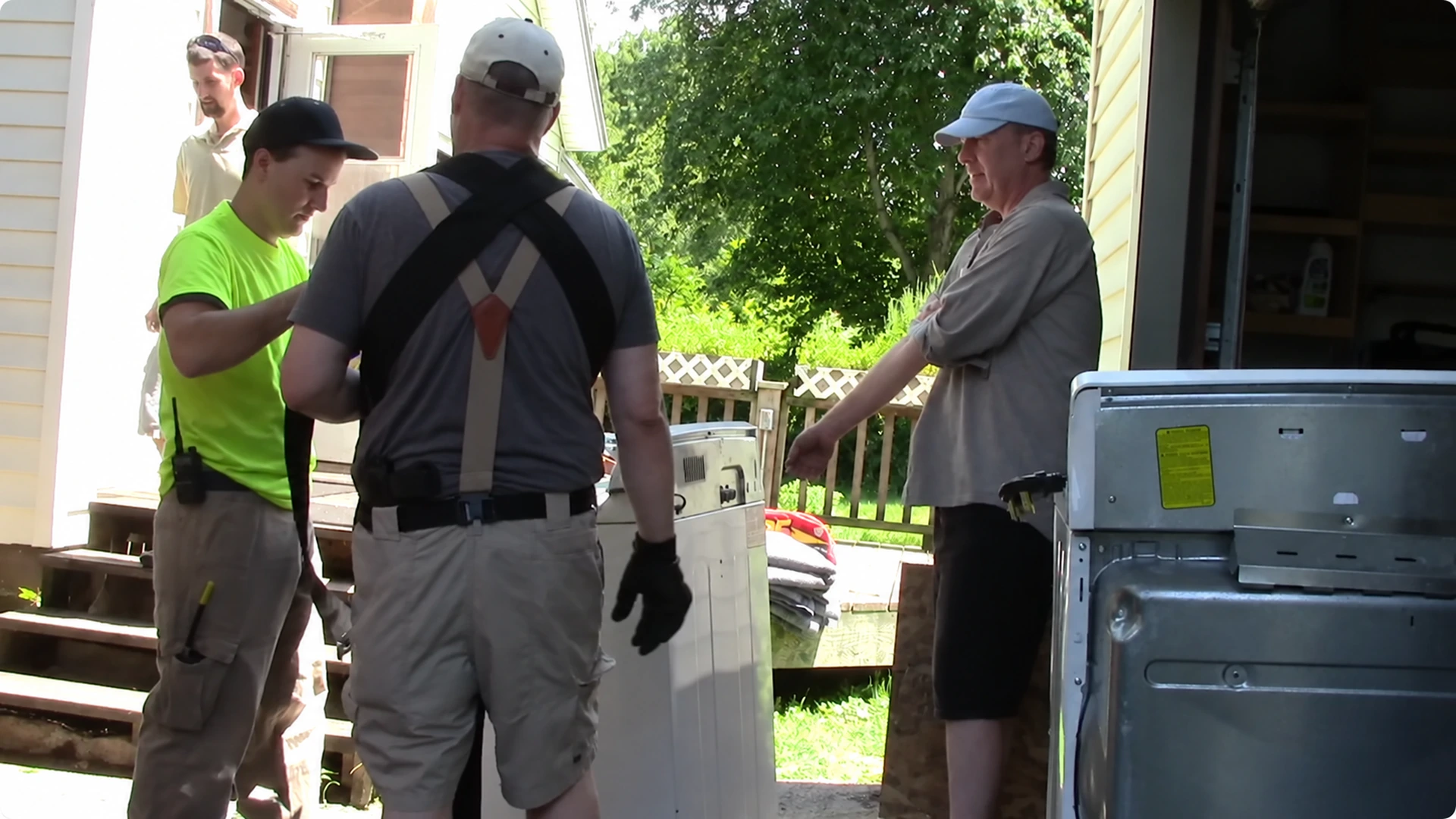
A Sacramento pickup might have a Midtown curb while a Roseville or Folsom destination has community access. Photograph legal loading positions, stairs, and any long carry. Send Moving for Seniors Sacramento the room inventory and route notes so the requested work can be reviewed accurately.
Compare Midtown and destination access
A Sacramento pickup may use a curb while a Roseville or Folsom destination has a different entrance or community rule. Photograph stairs, long carries, and the legal truck position at both ends. Send those notes with the inventory rather than assuming all homes have direct access.
Walk both property routes with the actual large furniture in mind. A Midtown Sacramento curb may be farther from the front door than expected, while a Roseville or Folsom community may use a particular entrance. Photograph steps, long carries, and the legal truck position; measure a tight doorway if a favorite chair or bed must pass through it. Share the facts with the mover and the family contact. If the resident will not be at the pickup for the full day, make sure the authorized person can answer access and inventory questions.
Plan the first hour at the new home
The first hour after arrival should be easy to understand for the older adult and the people helping. Decide which room receives the favorite chair, bed, mobility aid, and a small bag of daily supplies before the truck is unloaded. If the move is from a Midtown Sacramento home to a Roseville or Folsom residence, confirm the destination’s entrance and any community check-in step with the property in advance. Put one copy of the room plan near the entrance and give another to the authorized family contact. When a decision about a keepsake is still open, label it for review instead of sending it into an unmarked box. Familiar items can then be found without searching the whole load.
Make the first room familiar
Choose where the bed, favorite chair, mobility aid, and daily supplies belong before unloading begins. Place the room plan near the new entrance and give a copy to the authorized contact. A clear first hour reduces the need to search through cartons while the older adult is settling in.
At arrival, place the bed, favorite chair, mobility aid, and daily supplies before less urgent cartons fill the rooms. Keep the room sketch close to the entrance so it can guide helpers without repeated questions. After the first hour, invite the older adult to say what feels comfortable and what should move slightly. A temporary 'review later' area can hold a few undecided keepsakes without making the new home feel cluttered. The first week can then be used for small adjustments instead of forcing every decision into moving day.
Give the first week a room plan
The destination sketch should cover more than where large furniture lands. Note a clear walking route, accessible daily supplies, and the boxes to open first. Ask the older adult how the rooms feel after the initial placement, then make small changes without losing track of keepsakes or essential documents.
Leave space for adjustment
The first week may show that a side table, lamp, or frequently used item belongs elsewhere. Keep room labels and a short list of essentials available so small changes are easy. Do not rush decisions about keepsakes merely to empty boxes on the first day.
Room-first move packet
- New-room sketch for furniture and mobility equipment.
- Four labeled decision groups, with keepsakes left for review.
- One authorized contact and a backup number.
- Access notes for the Sacramento pickup and receiving home.
- First-day bag and priority cartons kept easy to find.
| Stage | What matters | Action |
|---|---|---|
| Before packing | Furniture fit and personal priorities | Ask the older adult |
| Before loading | Inventory and access at both homes | Share with the mover |
| At arrival | Bed, chair, and essentials placement | Follow the room sketch |
| First week | Small adjustments and keepsake review | Keep decisions visible |